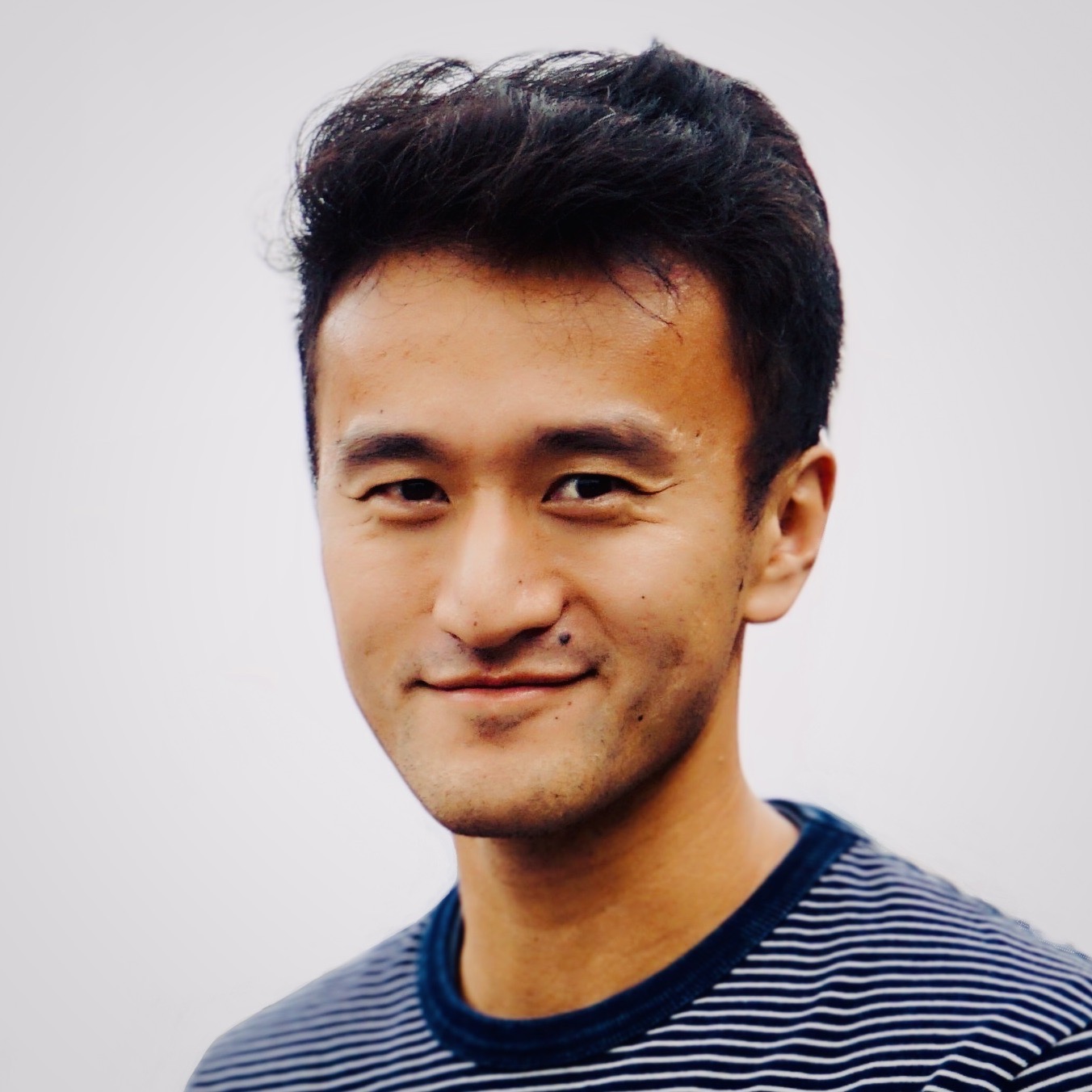
Architecture is loosely defined as the art and science of designing and constructing buildings and other physical structures, balancing aesthetics with functionality to meet human needs. The artistic component is what distinguishes it from the field of engineering, which is grounded in mathematical principles and practical considerations. As a neuroscientist and biomedical engineer by training, I want to become an architect to build hospitals and clinical spaces to address the growing shortage in healthcare workers in the US and globally. My vision is to combine my advanced training in the field of neuroimaging, my strong mathematical ability, and my love of the arts to build structures that promote healing. Further, as an established scholar with a solid publication record, I hope to engage in research and teaching to advance the field of healthcare architecture and to help train the next generation of architects.
As a child, I’ve always been interested in becoming an architect. I frequently engaged in creative hobbies such as drawing and photography and had a knack for mathematics and geometry. In fact, my uncle is an architecture professor in China and my cousin—his daughter—a landscape architect in Los Angeles. Nevertheless, having grown up in the San Francisco Bay Area attending schools comprising largely of middle- to upper-middle class Asian Americans, pursuing a career in a creative field, especially for a boy, was discouraged not only by my parents, but seemingly by the community at large. That was the reason I chose to major in biomedical engineering in college and initially aspired to become a physician. But as fate would have it, I ultimately left medical school in 2016 without a degree. I spent the subsequent four years traveling, studying drawing, and working various entry level jobs to support myself while seriously considering applying to architecture programs, but the timing didn’t feel right.
In 2020, I decided to return to school to obtain a doctorate in biomedical engineering. At the University of California, Davis, I was immersed in the fields of MRI and neuroscience for five years and, currently, I am a postdoctoral scientist at the University of Southern California in the Laboratory of Functional MRI Technology where I develop and research different brain imaging techniques to help diagnose and manage Alzheimer’s disease. Yet, despite how far I’ve climbed in this field, I still feel that something is missing without the artistic considerations in my day-to-day work. My inner child still longs to be what he wants to be—a dream that I had imagine would have faded by adulthood but never did.
To conclude, I’m choosing to apply to the Southern California Institute of Architecture because, over the past few years, I’ve attended many events associated with the institution having lived so close to its campus as a postdoctoral scholar on the USC Health Sciences Campus. I was impressed by the resources available at the campus, the location of it being in the Arts District, its reputation in the field, and the fact that it promotes a nonhierarchical and experimental approach to teaching. I very much look forward to the decision letter and hope I will receive financial support, a critical component of making my attendance feasible.
 The Ivory Tower
Leave a comment